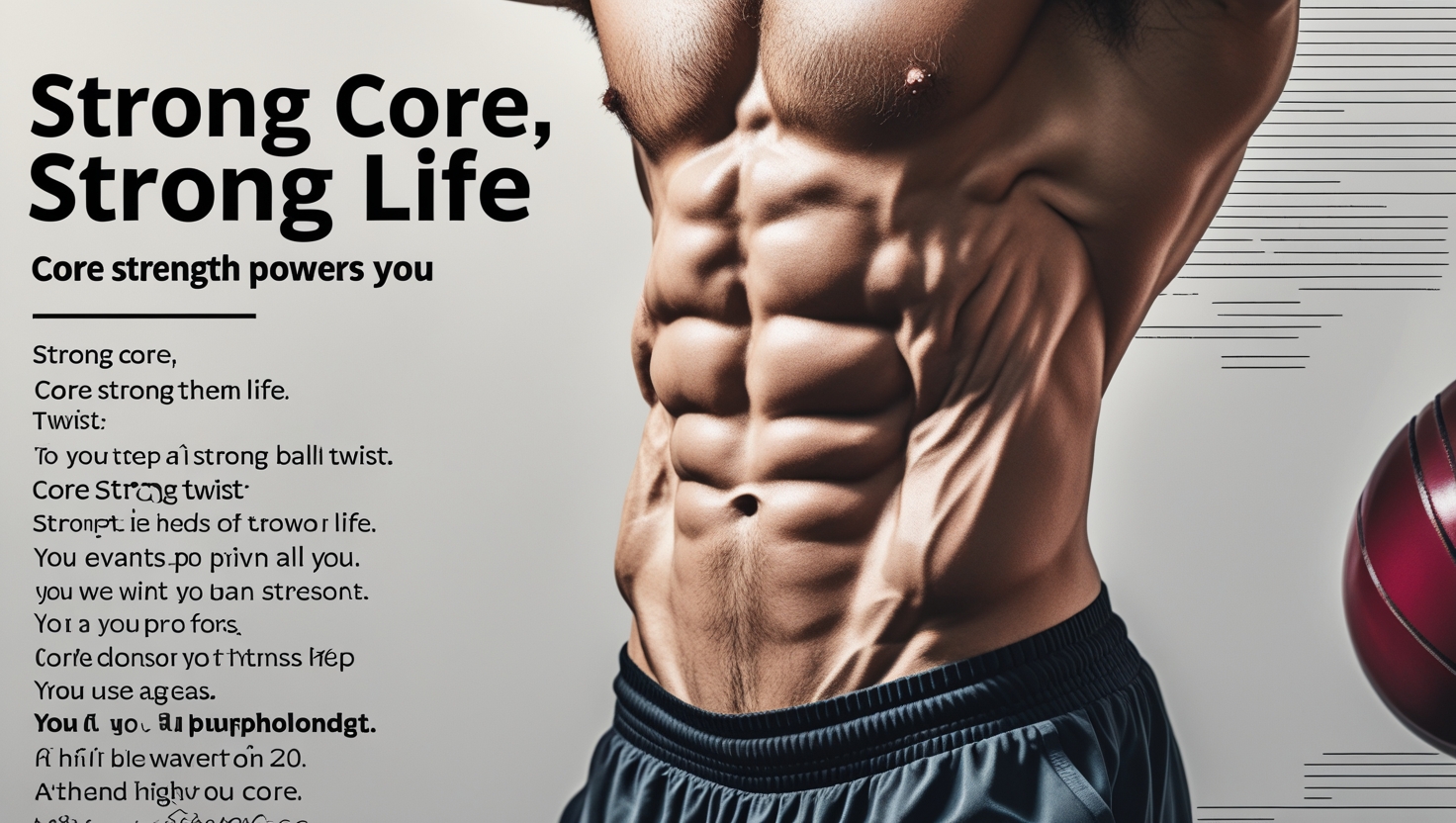
Imagine a building without a strong foundation. It wouldn’t stand for long, right? Your body works much the same way. At its heart lies the core, an unsung hero of movement. This isn’t just your six-pack abs. Your core is the entire trunk musculature, including your abdominals, obliques, lower back, hips, and glutes. These muscles work together, providing the base for nearly every physical action, from sitting upright to sprinting down the street.
The Foundation of Movement:
What Exactly is Your Core?
Your core is a complex group of muscles. Think of it as a cylinder in your mid-section. It includes the rectus abdominis, which gives you those “six-pack” muscles. The transverse abdominis wraps around your middle, like a natural corset. Your obliques, both internal and external, run along your sides, helping you twist and bend. Deep inside, you have the erector spinae and multifidus muscles. These support your spine. The diaphragm, your main breathing muscle, and the pelvic floor also play big roles. Even your glutes, the muscles in your backside, are key core players. All these parts work as one strong unit, creating stability and power.
The Core’s Role in Everyday Activities:
A strong core helps you handle many daily tasks with ease. Have you ever picked up heavy groceries? Your core muscles stabilize your spine as you lift. What about sitting at your desk for hours? Your core keeps your posture upright and steady. Even walking or standing relies on these muscles to keep you balanced. Navigating uneven ground or preventing a fall uses your core’s quick responses. Reaching for something on a high shelf or turning to look behind you involves your core twisting and bending. It’s truly involved in almost everything you do.
The Impact of a Strong Core on Daily Life:
Improved Posture and Reduced Back Pain:
A weak core often leads to poor posture. You might find yourself slouching, which puts extra strain on your spine. Over time, this can cause nagging lower back pain. When your core is strong, it acts like a brace for your pelvis and spine. It helps keep your body in proper alignment, taking pressure off your back. This not only makes you stand taller but also greatly reduces the chance of back pain. Try checking your posture often throughout the day. Remind yourself to gently engage your core muscles, like you’re drawing your belly button towards your spine.
Enhanced Athletic Performance and Athleticism:
For athletes, a powerful core is a game-changer. It acts as the center for transferring force from your lower body to your upper body, and vice versa. This means more power for your movements. Think about swinging a golf club, throwing a baseball, or kicking a soccer ball. A strong core lets you generate more force and move more efficiently. It also keeps your body stable during fast, dynamic actions. Watch gymnasts, swimmers, or cyclists. Their amazing core strength helps them perform at elite levels. It gives them the control and power they need.
Increased Balance and Stability:
Your core muscles are vital for keeping your balance. This is true during simple movements, like walking, and also when you need to react quickly. For example, if you trip, a strong core helps you catch yourself before falling. This ability to maintain stability is especially important as we get older. It helps prevent dangerous falls. Studies show that core strength training can reduce fall incidents in older adults by up to 40%. Investing in your core today means a steadier and confident you tomorrow.
Building a Stronger Core: Effective Strategies:
Essential Core Exercises for All Levels:
Ready to build a stronger core? Start with these fundamental exercises. Remember to focus on proper form for the best results.
Plank Variations:
The plank is a fantastic full-body core builder.
- Standard Plank: Hold your body in a straight line from head to heels, supported on your forearms and toes. Keep your abs tight.
- Forearm Plank: Same as standard, but your forearms are flat on the ground.
- Side Plank: Lie on your side, then lift your body so you’re supported on one forearm and the side of your foot. Keep your body straight. If too hard, drop a knee to the floor.
Crunches and Leg Raises:
These classic moves target specific abdominal muscles.
- Classic Crunch: Lie on your back, knees bent, feet flat. Place your hands behind your head. Lift your head and shoulders off the ground, engaging your abs. Keep your lower back pressed down.
- Reverse Crunch: Lie on your back, knees bent, feet off the floor. Use your abs to lift your hips off the ground, bringing your knees towards your chest.
- Hanging Leg Raise: Hang from a bar. Keep your body stable and lift your knees towards your chest. This is more advanced.
Bird-Dog and Dead Bug:
These exercises focus on core stability and control.
- Bird-Dog: Start on your hands and knees. Extend one arm forward and the opposite leg straight back. Keep your back flat and your core still.
- Dead Bug: Lie on your back, knees bent over hips, arms extended up. Slowly lower one arm and the opposite leg towards the floor. Keep your lower back pressed into the ground.
Incorporating Core Workouts into Your Routine:
Adding core work to your fitness plan is easy. Aim for 2-3 core sessions per week. Each session doesn’t need to be long; 10-15 minutes can make a big difference. You can do core exercises as a standalone workout, or add them to the end of your regular strength training or cardio routine. As you get stronger, try holding planks longer or doing more reps of crunches. Also, remember to engage your core during other exercises. For example, brace your abs during squats or deadlifts. This protects your spine and makes the lifts more effective.
Beyond Exercises: Lifestyle Factors for Core Health:
Building core strength isn’t just about crunches. Other daily habits matter too.
Proper Breathing Techniques:
Your diaphragm, a key core muscle, is crucial for breathing. Learning to breathe deeply from your belly, not just your chest, helps strengthen your diaphragm and pelvic floor. This improves overall core stability.
Maintaining a Healthy Weight:
Carrying extra weight around your midsection can strain your core muscles. It makes them work harder and can weaken them over time. A healthy weight supports better core function.
Ergonomics and Daily Habits:
How you sit, stand, and even sleep affects your core. Use good posture when sitting at your computer. Choose a mattress that supports your spine. These small changes can greatly reduce strain and support your core health.
Expert Insights on Core Strength:
“Your core is the body’s powerhouse,” says certified personal trainer Alex Rivera. “It’s not just about aesthetics; a strong core improves every movement you make. From walking to lifting, it provides stability and power, preventing injuries and enhancing overall physical capability.”
“Many people come to me with back pain,” notes Dr. Emily Chen, a physical therapist. “Often, the root cause is a weak core. All your major muscle groups are connected through your core. When it’s strong, it helps your entire body work in harmony, reducing stress on joints and improving functional movement patterns.”
Conclusion:
A strong core is truly vital for everyday life, not just for athletes. It helps you move better, feel stronger, and stay healthier. We’ve seen how it improves your posture, cuts down on back pain, boosts your athletic performance, and gives you greater balance and stability. Don’t wait to give your core the attention it deserves. Prioritize your core health through regular exercise and mindful daily habits. When you build a strong core, you’re building a strong life.
FAQs:
1. What exactly is the core, and which muscles are part of it?
Your core includes more than just abs. It consists of your abdominals, obliques, lower back, hips, glutes, diaphragm, and pelvic floor muscles—all working together to stabilize your body.
2. Is core strength only important for athletes?
No. Core strength is essential for everyone. It supports posture, reduces back pain, improves balance, and makes everyday activities like walking, lifting, and sitting easier.
3. Can I build core strength without going to the gym?
Yes! Many core exercises like planks, bird-dogs, and crunches can be done at home with no equipment.
4. How often should I train my core?
Aim for 2–3 core sessions per week, with each session lasting 10–15 minutes. You can also engage your core during other exercises like squats or walking.
5. How does core strength prevent back pain?
A strong core supports your spine and keeps your posture aligned. This reduces strain on your lower back and helps prevent pain or injuries.
6. Do I need visible abs to have a strong core?
Not at all. Core strength isn’t about looks—it’s about function. Even if your abs aren’t visible, you can still have a powerful and well-functioning core.